Month: July 2014

Bauman before ‘Bauman’ (Part 2) – Zygmunt Bauman talks about the 1960s, Poland, and his early work

This is Part 2 of a larger conversation between Zygmunt Bauman, Michael Hviid Jacobsen & Keith Tester. In this part they discuss and examine the decade of the 1960s in Poland as it unfolded in Professor Bauman’s academic and intellectual life; and the circumstances which shaped his early writing and growth as he left Poland, moved to Leeds, and went on to become the foremost sociologist and intellectual of our times.


Born in Poland, eminent sociologist Zygmunt Bauman has been writing since 1960 when he published his first book. However Bauman became the Bauman we know since the 1990s. After moving to University of Leeds Bauman published extensively; and his reputation has grown globally.


In the late 1980s and early 1990s Bauman wrote about modernity, bureaucracy, rationality and social exclusion. Bauman argued that modernity sought to address the uncertainties of life by creating rules and regulations, hierarchies and bureaucracies and essentially exert control over nature. The attempt to make chaotic human life ordered and systematic led to increased control over human society and categorisation. Thus, we essentially exchanged our individual freedoms with our need for security. Bauman also argued that such efforts to impose order and create manageable categories led to social exclusion and used the concept of the “stranger” to illustrate the ill-effects of such ordered categories.


In the mid-to-late 1990s, Bauman wrote on postmodernity and consumerism. Bauman noted a change from a society of producers into a society of consumers. The need for security was exchanged for the freedom to consume. Bauman wrote of this shift as being a shift from modernity to post-modernity. However, due to the mis-understanding of the term postmodernity, Bauman started using metaphors of “liquid” and “solid” modernity.


This conversation examines the man and his life and thoughts before he became Bauman. It starts with his early efforts in Poland and through his exile from Poland and migration to United Kingdom (UK) in the early 1970s.

 

michael-hviid-jacobsen keith-tester bauman-Octaedrajpg
MHJ: Michael Hviid Jacobsen (MHJ) Professor of Sociology, Aalborg University, Denmark KT: Keith Tester (KT) Professor of Sociology,
University of Hull, United Kingdom
ZB: Zygmunt Bauman  (ZB) Emeritus Professor of Sociology, Leeds & Warsaw


MHJ/KT: We would like to begin with your early English language work, for the most part the essays that were published while you were still based in Poland. Why was so much Polish sociology published in English (for example the Polish Sociological Bulletin was an English language publication)?


ZB: Every sociologist who thinks and writes in a ‘non-global’ language has been confronted with the question of publishing in English. It has been a question of “to-be-or-not-to-be” in the profession of sociology, which has been global since its inception. Nor is it any wonder that, in most non-English speaking countries, local sociologists lean over backwards to put together a periodical that makes their works available, and hopefully known, to the speakers of this global-language of English. In addition to the ‘Catch 22’ quandary in which all aspiring authors are everywhere cast (you won’t find a publisher unless you have made yourself a name, but you will not make a name unless you find a publisher), a foreign-language writer can hardly count on English publishers, because they are reluctant to invest money in translating the works of unknowns who are also blighted with unpronounceable names. I could tell a lot of stories about this. I have tried hard but mostly unsuccessfully to convince quite a few publishers to take a risk with some of the remarkable oeuvres of my Polish colleagues.


But I doubt whether Polish sociologists are any more keen or successful than others in getting their work published in English. The most profound and precious, and particularly the most original, works of the greatest Polish sociologists, including my masters, are still waiting in vain to be made available to a global readership. This situation is more harmful to the global English readers than the foreign, vernacular group since Poland is a large country with its own wide, avid, critical and grateful readership, and almost all Polish sociologists are fluent in English.


As to myself, the list of my Polish-language publications of the period includes the positions which were central to my preoccupations of the time and which, retrospectively, also appear to be the turning-points of my intellectual itinerary (works like On the Need of a Sociology of the Party, Essay on Bureaucracy, On the Profession of Sociologist, or Visions of Human Worlds). Those positions derived their inspiration and whatever meaning and significance they had from trials and tribulations that were internal and specific to Poland. They were too deeply and tightly enmeshed in Poland’s own (and at that time still mostly subterranean) struggles, to be of any interest, or indeed to be comprehensible, to native English readers.


MHJ/KT: You say that two of your Polish-language publications, On the Profession of Sociologist and Visions of Human Worlds, were essential to the emergence of your position. Could you tell us something about what these publications argued? What does the profession of sociologist require, and what are the ‘visions’ of the human world to which you referred?


ZB: A word of warning is in order: Contrary to a common opinion which social scientists tend to endorse, much of our thinking, and perhaps the most seminal part of it, is not ‘targeted’, not a ‘purposeful activity’. From my own experience, at least, I am rather inclined to endorse Adorno’s resigned conclusion that we think just because we cannot not think. The ‘objective’ of mental efforts usually comes as an afterthought, a codicil that is added later. I would be cavalier with the truth were I to say that I undertook the works you’ve mentioned with the intention of elaborating a position. The ‘in order to’ at the time I wrote them up was not the same ‘in order to’ as the one which later ruminations, and your question, have retrospectively imputed.


Trying hard to recall the ‘motivational causes’ that prompted and guided my search, or rather to fill blank spots in memory while calling imagination to help, I believe I need to start from remembering the situational setting. After a few years of exile, sociology was let back into the post-Stalinist era through the back door. No identity card was issued, no clear status accorded, let alone assured. Sociology lived in a sort of ‘suspended animation’ that could be terminated at any moment on any pretext, or without one. It was without doubt an unpleasant situation to be in, and yet with the benefit of hindsight I suspect that such a state of guilt without a charge, of under-definition unconstrained by any canon, unhampered by a ‘paradigm’, was in a way also a blessing, even if in a very unprepossessing disguise.


It spurred critical self-scrutiny that drew into focus the ‘self-evidences’, and so offered a closer look at a host of unspoken assumptions which under more enjoyable circumstances gladly would have been left in the shade and in silence. We went on asking ourselves about the fundamentals about which our ‘Western’ colleagues did not much worry and were genuinely puzzled when challenged to make explicit and analyse.


In Poland, I was just one among many aspiring sociologists who had first to find the address at which the new home was located and then to scan its interior to make it fit for decent, sensible living. The two pieces you ask about were inspired by (indeed, were a logical consequence of) that preoccupation.


The first piece On the Profession of Sociologist reported the search for location. Sociology collects the information about whatever follows from the fact that humans are not loners but live in company and willy-nilly influence each other’s choices and the condition under which choices are made, as well as their plausible range. In other words, sociology collects the information about the difference that is made by living ‘in society’. That much was commonly agreed. The rest, though, was ‘essentially contested’ and called for taking sides. Some of the contests called for taking sides more imperatively and urgently than others. One such contention was the main theme of the essay that was dedicated to unpacking the sociological profession, a somewhat updated and domesticated version of Weber’s Beruf. When working on it, I thought, mistakenly as it later transpired, that I was trying to resolve a thoroughly local and hopefully temporary, Polish (or the ‘socialist camp’s’) dilemma, which arose from the authoritarian nature of the political regime and from its bid to manage everything and eliminate the un-manageable. It did not occur to me that a life-long position would emerge on that occasion. I just did not realize at the time that the local Polish experience was but an extreme and particularly festering specimen of a contention that in the plight of sociology was neither incidental nor local. I did not realise then that it was precisely the extremity of the Polish case that made it possible to perceive a universal dilemma more clearly than elsewhere.


To start with, Polish state authorities were quite outspoken about matters in which other, non- or less-authoritarian, powers preferred to move in a roundabout, underhand and a rather inconspicuous fashion, while careful not to leave too many foot- and finger-prints. The Polish rulers left little doubt that what they wished sociologists to do (and the only sociological undertaking they would tolerate) was to help them make the obstreperous obedient and the obedient more docile yet, to convince the unconvinced and make the convinced immune to doubts. In short (to resort to Weber’s terms again) they wished the ‘really existing’ Herrschaft to rebound, just as its ideal type did in theory, in the unconditional Disziplin of the subjects.


Having made ‘value rationality’ their un-shared prerogative, they intended to use sociologists to amend and enhance ‘instrumental rationality’. They wished to know the rules guiding human behaviour, in order to manipulate the setting in which the behavioural choices were made – so that only such choices as agreed with intended effects would be taken, while other choices either would be made irrelevant or effectively marginalised. They most gladly accommodated sociology in its ‘behavioural science’ version, a version made to the measure of panoptical power and the ‘Fordist factory’, and at the time the dominant and still gathering tendency in Western, and particularly American, sociology.


I do not pretend that I understood all that when the essay on the profession of sociologist, focused as it was on the apparently local and hopefully transient worry, gestated. But what I did articulate and clarify for myself in the course of writing helped me later in grasping the nature of the contradictory pressures under which all sociological work, under any kind of regime, is conducted – and the fundamental choices no sociologist, wherever placed, can avoid. I believe now that it was then that the vision of sociology as an essentially critical activity took shape in my mind (a model that was more fully articulated only ten years later in the extended essay Towards a Critical Sociology that was written in parallel with Socialism: The Active Utopia). That was the only lasting benefit and saving grace of the effort invested in the writing. Otherwise, the essay was fatally misconceived. It reads now mostly as a testimony of the shameful naivety of its author.


The essay was an invitation to the rulers to join in a discussion, and an attempt to explain that they would benefit from opening themselves to argument. Something along the line of ‘what good government needs, is a watchful and imaginative opposition’, couched in terms that the rulers would (so I hoped…) understand and find acceptable. The idea, of course, was stillborn, only I was not aware of that at the time. I believed that the inanities of the country’s rulers and the ineptitudes of the ‘system’ they called into life were more like ‘unanticipated consequences’ than deliberate moves, and arose from errors of judgment, not from design. I thought that the rulers might be talked to and persuaded to listen, engage in a debate, argued with, and in the end – who knows? – converted to a different, better model of the state and a strategy of running it. A hiccup of the ‘enlightened despot’ dream, I suppose. Well, the rulers made no mistake. They just behaved true to form. It was I who was mistaken, grossly and totally. In the quasi-totalitarian quasi-Soviet regime, sociology as I saw it could only be an alien body and treated as the enemy’s fifth column. And the rulers understood it before I did. It took me a few more years to catch up with their wisdom.


The core of the Visions of Human Worlds book – a sort of an inventory of the house contents – was provided by three extended studies: of Talcott Parsons, C. Wright Mills and Antonio Gramsci. In the first study, I attempted to reconstruct the vision of society as seen from the managers’ offices and a model of sociology made to the measure of managerial reason and management tasks (Parsons’ work was a most conspicuous and authoritative exemplification of both). In the second, following Mills’s suggestions and example, I tried to develop an alternative programme, as well as a strategy of resistance to the advances of the ‘administered society’. I guess that between themselves those two studies, of Parsons and Mills, prepared a framework for the opposition, explored in the Towards a Critical Sociology book, between the ‘science of unfreedom’ of the kind represented most spectacularly by what I dubbed ‘Durksonian’ sociology, and a sociology bent on enhancing the range of freedom.


Finally, in the course of the third study, a distance from the concepts most common in the sociological discourse of the time (like system, totality, structure, determination etc.) was acquired and the broad outlines were drawn of the concept of ‘social reality’ as a continuous and infinite, open-ended interplay between human pursuits and countervailing social pressures experienced as ‘constraints’. I suppose that between themselves the studies of Mills and of Gramsci offered me basic insights from which the programme of ‘sociological hermeneutics’ soon afterwards emerged. Or at least so it seems to me after these years.


All in all, I’d describe the two works you’ve mentioned as ‘vanishing mediators’. They were extremely helpful, indeed indispensable, even if coarse, clumsy and awkward. Their role was to ease me (or push me?) into a realm of thought where their continued services were no longer needed. They, so to speak, worked themselves out of a job, and by doing that they proved their importance. In this lie their sole, though formidable, merit.


MHJ/KT: You have said before that you took up sociology because you wanted to play a part in rebuilding Poland in terms of justice, equality and an overcoming of the humiliation of poverty (see Bauman & Tester 2001). Was sociology allowed to play such a role in Poland in the 1950s and 1960s?


ZB: Allowed it was not, but it struggled to gain such a role and in the end it did play such a role, though not at all how I naïvely and gullibly expected it to. Polish sociology (which was resurrected and recovering its public voice after a brief numbness during the Stalinist period, which was considerably shorter in Poland than in other countries under Soviet influence) offered one of the very few independent standpoints and narratives that was available in a country where independent thought was fast becoming a rarity, and its chances of being heard even fewer and farther between. Sociology whispered an alternative to the story that was officially shouted, and so it became an element, however slight and insistently marginalised, of plurality in a forcefully ‘homogenised’ society. And it had to stand up against the new injustices and inequalities that the new powers spawned in profusion in the course of extirpating the old ones. The labours of sociology exemplified the resolution of the most thoughtful and conscientious part of Polish intellectuals to cooperate with the new powers in their good deeds, in lifting the country from its centuries-long backwardness, while at the same time watching carefully and vigilantly the hands of the power-holders.


MHJ/KT: In the English-language material that was published before 1968, it looks as if it took some time for your own voice to emerge. Some of the very earliest English-language pieces seem to be almost managerial thanks to their emphasis on statistics, graphs and so on. The present-day reader has to look very hard to find any critical dimension. It took a while for these essays to reflect the concerns of a more obviously critical sociology. Do these pieces accurately reflect your themes and concerns, and the changes that they underwent?


ZB:  ‘Managerial vein’… Stanislaw Ossowski and Julian Hochfeld, the two teachers to whom I owe most of what I learned at Warsaw University, were deeply suspicious of the cognitive value, and even more of the cultural impact, of the prevalent managerially oriented model of a thoroughly quantified and statistics-obsessed sociology. I guess that suspicion is an irremovable and indelible part of their bequest, to which as much as I could I tried to remain faithful from the start, and have carried on trying throughout my own work. At the same time, though, Ossowski and Hochfeld were only too aware that selling to the communist managers the kind of sociology that they preferred – a critical and ‘humanist’ kind of sociology – would be a tall order, if not a lost cause and waste of time. If any argument stood a chance of reaching the Polish rulers’ ears, it could only be a plea that emphasised the services that the sort of sociology imported from the U.S.A. promised to render to the managers. Sociology could only be ‘sold’ to the powers-that-be as a handmaiden of management, as a heads-counting enterprise and a briefing for those who sought conformity to their orders and were bent on making society obedient and pliant.


Such a setting was conducive to schizophrenic responses. Ossowski’s thoughtful yet tormented book on the peculiarities of social sciences was a vivid testimony of that. In other words, the two accents which you rightly spotted were not successive, but simultaneous. They coexisted, since they had to coexist, in an uneasy alliance rent with mutual suspicions.


MHJ/KT: Reading histories of this period creates the impression that sociology was a key player in a very broad oppositional culture that included intellectuals, journalists, filmmakers, and novelists. Could you say something about the circles in which your critical sociology circulated and participated?


ZB: The milieu you are asking about was far from unified. There were all possible degrees of opposition, and people differed as to how far they were prepared to go in manifesting their resistance, as well as in what kind of conduct would best serve the purpose. Not that the differences mattered much in the end. I remember a little play The Hand, by the outstanding Polish dramatist Slawomir Mrożek, in which a huge hand stretched from the wings of the stage and beckoned to two hapless little men to take off their clothes, bit by bit. One man meekly followed successive orders, the other loudly protested against each order, all the time furiously quarrelling between themselves about the respective virtues of their responses. Both men ended up naked. I remember our sad but sober admission that the play flawlessly assessed the practical value of our strategic querelle.


But you are right in principle. The various acts of resistance somehow added together and complemented each other in keeping the spirit of dissent alive and the fire of independent thought smouldering, even if the actors found it difficult to reconcile their programmes and their tactics. All the same, there was no ‘centre’ which all the scattered and diffuse, and often ephemeral, circles (‘condensations’) of opposition would have recognised as such. This was all the more the situation because the dividing lines were constantly redrawn, depending on the issues that were currently on the agenda. However in the 1960s a ‘hard core’ of people with the highest and a seldom questioned moral authority crystallised around a few persons of outstanding courage and determination – writers like the poet Antoni Słonimski, academics like Leszek Kołakowski, or just indomitable ‘professional revolutionaries’ like Jan Józef Lipski, a man who was always ready for the fray and always in the frontline of the battle.


In all though the ‘resistance movement’ was too diverse, too protean and complex, to be given justice in a short conversation like ours. Much has been written about it, but the multi-volume monograph that it deserves remains to be written.


MHJ/KT: During the period roughly 1963-1968 your work often focused on questions of youth and education. Why?


ZB: Looking back, I suspect that the outcome of our research into the attitudes of Polish youth marked, perhaps not the first, but certainly the most profound, of my disenchantments. What I found was not what I and other ‘believers’ like me had hoped to find. What I found was a mixture of downright conservative and parochial, petty bourgeois life ideals, with alarming symptoms of an emerging cult of shrewdness, craftiness and ‘getting by’. There was little trace of socialist values. The new social setting was not working. Most certainly, it did not turn out to be the school of humanity whose prospect attracted so many, myself including, to the idea of socialism. The task was now to find out what stopped it from becoming such a school.


Alongside other things and perhaps more than anything else, watching the hands of power meant finding out whether and how life-attitudes and characters had changed or were changing (to the better, of course – more ethical, more solidary) in the result of the ‘socialist transformations’. After all, a ‘new man’, feeling at one with the community of citizens, friendly and confident, trustworthy and trustful, free from fears, from suspicion towards others and from humiliating docility, was allegedly the ultimate purpose of those transformations and the test of their success or failure. And where was the answer to be found, if not in the younger generation, born and grown in the new post-transformation social setting?
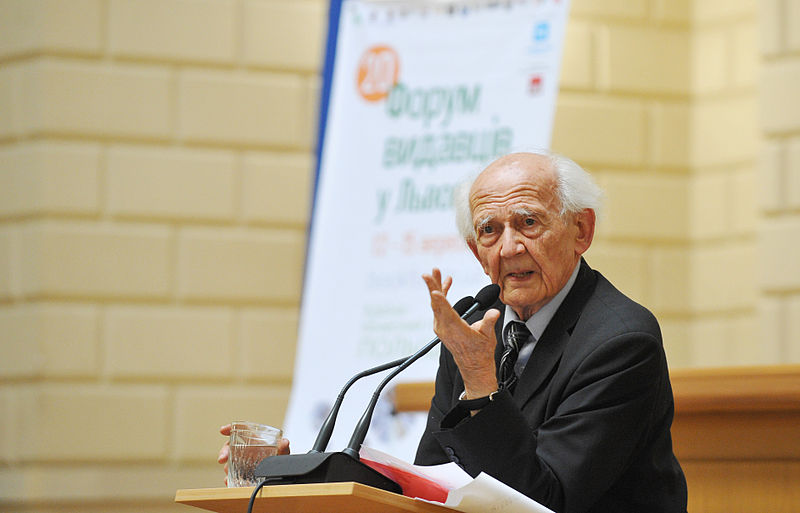
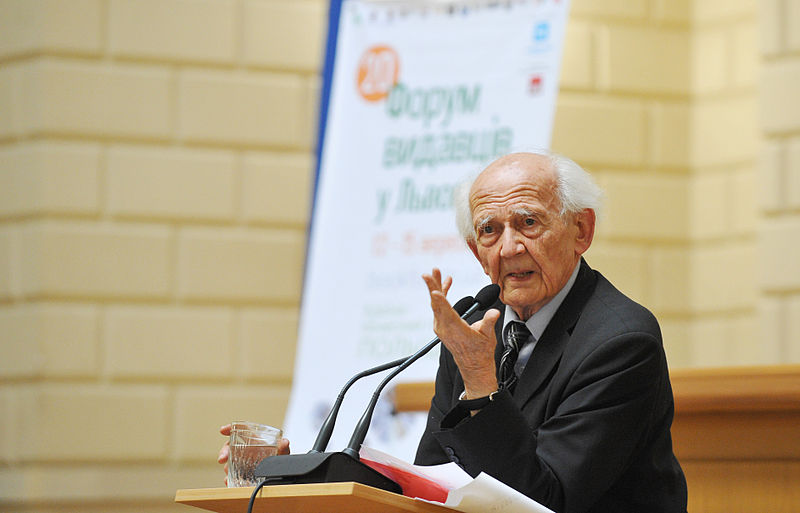
 Zigmunt_Bauman_na_20_Forumi_vydavciv


MHJ/KT: After your exile, you must have been subjected to a number of pressures from the West to become a ‘dissident’ who would blow the whistle on the truth of actually existing socialism. But you never did this. You published some essays on Polish communism, but they are marked by a dialectic of sociological critique and the maintenance of socialist commitment. Did it ever feel like your work was in danger of being ‘filed away’ as ‘dissident’?


ZB: After leaving Poland I was inundated with offers to join all sorts of ‘sovietologist’ establishments, and with invitations to write for their journals. I was one of the ‘Warsaw six’ – the ‘dissident’ professors of Warsaw University who were demoted and expelled on 25 March 1968 on the accusation of fomenting student riots – and the case was widely publicised in the Western press. I refused the offers. I had no intention of living the second half of my life off the first (as things looked then, I could live quietly and happily ever after out of my ‘dissident past’). I wanted to remain what I was, a sociologist, and re-establishing myself in that role in new surroundings was to me a matter of personal honesty and self-respect. Most importantly, were I to have succumbed to the seductive offers and recycled myself into a ‘sovietologist’, I certainly would have found myself out of place among the hosts (and very soon have been found to be out of place by them), as much as I found myself (and was found) to be out of place in ‘really existing socialism’. Being ‘anti-communist’ was certainly not enough to make us feel comfortable in each other’s company.


MHJ/KT: Polish culture contains a powerful ideal of the romantic intellectual, speaking truth to power. British culture contains an equally powerful, but very different, image of the intellectual as a rather self-indulgent ‘chatterer’. Within that British image, the sociologist has a special role as either a corrupter of youth or speaker of platitudes. In 1970s Britain what was the role of the intellectual? What did you see your role as being?


ZB: Another hard nut to crack… Though, on second thoughts, perhaps it is unduly soft. It dissolves at the first bite! Even Richard Rorty, who made his name fighting for the liberal rather than socialist cause, called the American thinking-and-talking left to think less about theory and talk more about money, in other words, to get down to earth since this is where people suffer, mostly because some have too little money while others have too much. He could with equal justification address his appeal to the British learned classes – at least since the advent of the New Left.


It was not always like that. When studying the story of British socialism and its wedding to the labour movement, I was continuously impressed not only by the profundity of argument and depth of concern, but by the palpable feeling of responsibility that went with the learned vocation and the mission it undertook to perform (and it is exactly that responsibility which lifts a member of the learned classes to the rank of an ‘intellectual’). There was no shortage of intellectuals in Britain well before Georges Clemenceau coined the term! Nor after… In fact, there was no shortage of intellectuals in that sense well into the 20th century.


I do not know at what particular time the stereotype of the ‘chatterer’ entered into British popular imagery and settled there, but it was mostly in the last quarter of the last century that the learned people in the limelight made an earnest effort to live up to that stereotype. Like the rest of the elite, and not just in Britain, most of them opted out – seceded – from engagement with ‘the people’ and immersed themselves in their own elitist concerns. An example: the fashionable talk of emergent ‘hybridity’ and of budding cosmopolitanism, conducted in a world that is border-drawing mad and seething with tribal sentiments; this is talk that conveys nothing but the elite’s own sharply distinctive experience. Indeed – lecturing around Europe in all sorts of academic outfits – I am always asked the same questions, even if wrapped in different linguistic idioms. Having opted out, they locked the door behind them, fencing themselves off from the rest of society and its worries with the help of arcane topics and a hermetic language that was, I suspect, designed for that exact purpose. For the ordinary people struggling daily with their all-too-ordinary problems, the esoteric and impenetrable discourse must sound like (empty?) prattle. And there seems to be little sense in trying hard to penetrate such discourse. The drudgery won’t be re-paid since nothing is likely to be gained, unless you sweat in order to join the company you can’t beat.


You ask about the role of the intellectual today (not the role played, but the role waiting to be played once the ‘the intellectual today’ has been designed, I guess?). It consists in returning ‘the social’ to the limelight and placing it firmly in the focus of public concern, making it the core topic of public discourse. With the human condition acquiring increasingly planetary dimensions, ‘the social’ has escaped the institutional frame of the territorial nation-state where the ‘solid modern’ settlement placed it. In the process, it escaped understanding, and lost ‘materiality’ (by comparison, how easy it was for Durkheim to paint the familiar-to-all likeness of ‘social facts’!) and so evaded the surveilling and controlling capacities of the agora, stripping the agora by the same token of its magnetic power. The effect is that ‘individuality’, cut off in thought and in practice from its social habitat, elides understanding and enters awareness and life-pursuits as an extrinsic, ungraspable and probably un-tameable force, a fate rather than a negotiable social product. György Lukacs once declared ‘totality’ to be false; I suspect that it is now individuality’s turn to be so called, and revealed as deserving to be.


MHJ/KT: You arrived at Leeds in 1971. How congenial were British intellectual – and specifically sociological – debates to your concerns? You arrived in the days of student radicalism: Did all of this seem to be continuous with what you had discussed in Poland, or did it all seem like middle-class self-indulgence?


ZB: Beware similarities. They are treacherous. They easily misdirect and lead astray. From my new English friends, fresh from the battlefields of student rebellion, some full of nostalgia and some blowing on their burnt fingers, I heard exhilarating stories of a protracted, joyful and thoroughly enjoyable youth carnival, a Woodstock avant le letter. It struck me right away that when Warsaw students took to the streets no one laughed.


E. P. Thompson, who was then the guru of the British ‘intellectual left’, in his devastating newspaper review of my Between Class and Elite, accused me, together with the other exiled ‘dissidents’, of betraying the Western Left’s expectations. At the time Thompson believed that the British proletarian-socialist revolution was just around the next corner, while in the book I presented my ‘sociological deduction’ that the British labour movement had ran its course and gone as far as it was capable of going, a prognosis that time was to corroborate. Thompson’s ire was directed mostly against Leszek Kołakowski, who indeed, instead of offering the hoped for shot in the arm to the emergent British ‘New Left’, moved promptly to the right of the political spectrum. I was the ‘collateral casualty’, so to speak, of Thompson’s main frustration. I must admit, though, that his judgment was not completely erroneous. I did not, and could not make myself, share in the illusions of the ‘New Left’. I was a recent witness to the testing of those illusions, and to their failure of the test.


I remember that Perry Anderson castigated E. P. Thompson for sticking to the empirical and shunning theory. For me, however, both antagonists suffered of an excess of theory, and of a kind of theory that was clearly not my cup of tea (soon afterwards the majority of the ‘New Left’ was enthusiastically to embrace the worst variety of the excess in the form of Althusserian dogmatism). Their differences notwithstanding, they were too detached from the messy and unclean realities of human life. They seemed to me to be equally ‘intellectualistic’ (a rather morbid, most incapacitating disease that may befall the intellectual). Years later, Richard Rorty poignantly articulated for me my vague resentment of that time, when he called on the intellectuals of the Left to speak more about money and less about stigma, complexes and political correctness.


MJH/KT: Is there anything that you continue to carry with you from the early essays?


ZB: Myself, warts and all. Or at least, this is what I would wish to be true.


to be continued…

Important Note: This interview is an extract from the book Bauman Before Postmodernity. Aalborg: Aalborg University Press (2005).


© Michael Hviid Jacobsen & Keith Tester


Image References:

Professor Zygmunt Bauman’s Images:

Image 1: Accessed from http://octaedro.es/bauman-y-la-vida-liquida/zygmunt-bauman/

Image 2: Wikimedia Commons http://commons.wikimedia.org/wiki/File:Zigmunt_Bauman_na_20_Forumi_vydavciv.jpg




Bauman before ‘Bauman’ (Part 2) – Zygmunt Bauman talks about the 1960s, Poland, and his early work

This is Part 2 of a larger conversation between Zygmunt Bauman, Michael Hviid Jacobsen & Keith Tester. In this part they discuss and examine the decade of the 1960s in Poland as it unfolded in Professor Bauman’s academic and intellectual life; and the circumstances which shaped his early writing and growth as he left Poland, moved to Leeds, and went on to become the foremost sociologist and intellectual of our times.


Born in Poland, eminent sociologist Zygmunt Bauman has been writing since 1960 when he published his first book. However Bauman became the Bauman we know since the 1990s. After moving to University of Leeds Bauman published extensively; and his reputation has grown globally.


In the late 1980s and early 1990s Bauman wrote about modernity, bureaucracy, rationality and social exclusion. Bauman argued that modernity sought to address the uncertainties of life by creating rules and regulations, hierarchies and bureaucracies and essentially exert control over nature. The attempt to make chaotic human life ordered and systematic led to increased control over human society and categorisation. Thus, we essentially exchanged our individual freedoms with our need for security. Bauman also argued that such efforts to impose order and create manageable categories led to social exclusion and used the concept of the “stranger” to illustrate the ill-effects of such ordered categories.


In the mid-to-late 1990s, Bauman wrote on postmodernity and consumerism. Bauman noted a change from a society of producers into a society of consumers. The need for security was exchanged for the freedom to consume. Bauman wrote of this shift as being a shift from modernity to post-modernity. However, due to the mis-understanding of the term postmodernity, Bauman started using metaphors of “liquid” and “solid” modernity.


This conversation examines the man and his life and thoughts before he became Bauman. It starts with his early efforts in Poland and through his exile from Poland and migration to United Kingdom (UK) in the early 1970s.


michael-hviid-jacobsen keith-tester bauman-Octaedrajpg
MHJ: Michael Hviid Jacobsen (MHJ) Professor of Sociology, Aalborg University, Denmark KT: Keith Tester (KT) Professor of Sociology,
University of Hull, United Kingdom
ZB: Zygmunt Bauman  (ZB) Emeritus Professor of Sociology, Leeds & Warsaw


MHJ/KT: We would like to begin with your early English language work, for the most part the essays that were published while you were still based in Poland. Why was so much Polish sociology published in English (for example the Polish Sociological Bulletin was an English language publication)?


ZB: Every sociologist who thinks and writes in a ‘non-global’ language has been confronted with the question of publishing in English. It has been a question of “to-be-or-not-to-be” in the profession of sociology, which has been global since its inception. Nor is it any wonder that, in most non-English speaking countries, local sociologists lean over backwards to put together a periodical that makes their works available, and hopefully known, to the speakers of this global-language of English. In addition to the ‘Catch 22’ quandary in which all aspiring authors are everywhere cast (you won’t find a publisher unless you have made yourself a name, but you will not make a name unless you find a publisher), a foreign-language writer can hardly count on English publishers, because they are reluctant to invest money in translating the works of unknowns who are also blighted with unpronounceable names. I could tell a lot of stories about this. I have tried hard but mostly unsuccessfully to convince quite a few publishers to take a risk with some of the remarkable oeuvres of my Polish colleagues.


But I doubt whether Polish sociologists are any more keen or successful than others in getting their work published in English. The most profound and precious, and particularly the most original, works of the greatest Polish sociologists, including my masters, are still waiting in vain to be made available to a global readership. This situation is more harmful to the global English readers than the foreign, vernacular group since Poland is a large country with its own wide, avid, critical and grateful readership, and almost all Polish sociologists are fluent in English.


As to myself, the list of my Polish-language publications of the period includes the positions which were central to my preoccupations of the time and which, retrospectively, also appear to be the turning-points of my intellectual itinerary (works like On the Need of a Sociology of the Party, Essay on Bureaucracy, On the Profession of Sociologist, or Visions of Human Worlds). Those positions derived their inspiration and whatever meaning and significance they had from trials and tribulations that were internal and specific to Poland. They were too deeply and tightly enmeshed in Poland’s own (and at that time still mostly subterranean) struggles, to be of any interest, or indeed to be comprehensible, to native English readers.


MHJ/KT: You say that two of your Polish-language publications, On the Profession of Sociologist and Visions of Human Worlds, were essential to the emergence of your position. Could you tell us something about what these publications argued? What does the profession of sociologist require, and what are the ‘visions’ of the human world to which you referred?


ZB: A word of warning is in order: Contrary to a common opinion which social scientists tend to endorse, much of our thinking, and perhaps the most seminal part of it, is not ‘targeted’, not a ‘purposeful activity’. From my own experience, at least, I am rather inclined to endorse Adorno’s resigned conclusion that we think just because we cannot not think. The ‘objective’ of mental efforts usually comes as an afterthought, a codicil that is added later. I would be cavalier with the truth were I to say that I undertook the works you’ve mentioned with the intention of elaborating a position. The ‘in order to’ at the time I wrote them up was not the same ‘in order to’ as the one which later ruminations, and your question, have retrospectively imputed.


Trying hard to recall the ‘motivational causes’ that prompted and guided my search, or rather to fill blank spots in memory while calling imagination to help, I believe I need to start from remembering the situational setting. After a few years of exile, sociology was let back into the post-Stalinist era through the back door. No identity card was issued, no clear status accorded, let alone assured. Sociology lived in a sort of ‘suspended animation’ that could be terminated at any moment on any pretext, or without one. It was without doubt an unpleasant situation to be in, and yet with the benefit of hindsight I suspect that such a state of guilt without a charge, of under-definition unconstrained by any canon, unhampered by a ‘paradigm’, was in a way also a blessing, even if in a very unprepossessing disguise.


It spurred critical self-scrutiny that drew into focus the ‘self-evidences’, and so offered a closer look at a host of unspoken assumptions which under more enjoyable circumstances gladly would have been left in the shade and in silence. We went on asking ourselves about the fundamentals about which our ‘Western’ colleagues did not much worry and were genuinely puzzled when challenged to make explicit and analyse.


In Poland, I was just one among many aspiring sociologists who had first to find the address at which the new home was located and then to scan its interior to make it fit for decent, sensible living. The two pieces you ask about were inspired by (indeed, were a logical consequence of) that preoccupation.


The first piece On the Profession of Sociologist reported the search for location. Sociology collects the information about whatever follows from the fact that humans are not loners but live in company and willy-nilly influence each other’s choices and the condition under which choices are made, as well as their plausible range. In other words, sociology collects the information about the difference that is made by living ‘in society’. That much was commonly agreed. The rest, though, was ‘essentially contested’ and called for taking sides. Some of the contests called for taking sides more imperatively and urgently than others. One such contention was the main theme of the essay that was dedicated to unpacking the sociological profession, a somewhat updated and domesticated version of Weber’s Beruf. When working on it, I thought, mistakenly as it later transpired, that I was trying to resolve a thoroughly local and hopefully temporary, Polish (or the ‘socialist camp’s’) dilemma, which arose from the authoritarian nature of the political regime and from its bid to manage everything and eliminate the un-manageable. It did not occur to me that a life-long position would emerge on that occasion. I just did not realize at the time that the local Polish experience was but an extreme and particularly festering specimen of a contention that in the plight of sociology was neither incidental nor local. I did not realise then that it was precisely the extremity of the Polish case that made it possible to perceive a universal dilemma more clearly than elsewhere.


To start with, Polish state authorities were quite outspoken about matters in which other, non- or less-authoritarian, powers preferred to move in a roundabout, underhand and a rather inconspicuous fashion, while careful not to leave too many foot- and finger-prints. The Polish rulers left little doubt that what they wished sociologists to do (and the only sociological undertaking they would tolerate) was to help them make the obstreperous obedient and the obedient more docile yet, to convince the unconvinced and make the convinced immune to doubts. In short (to resort to Weber’s terms again) they wished the ‘really existing’ Herrschaft to rebound, just as its ideal type did in theory, in the unconditional Disziplin of the subjects.


Having made ‘value rationality’ their un-shared prerogative, they intended to use sociologists to amend and enhance ‘instrumental rationality’. They wished to know the rules guiding human behaviour, in order to manipulate the setting in which the behavioural choices were made – so that only such choices as agreed with intended effects would be taken, while other choices either would be made irrelevant or effectively marginalised. They most gladly accommodated sociology in its ‘behavioural science’ version, a version made to the measure of panoptical power and the ‘Fordist factory’, and at the time the dominant and still gathering tendency in Western, and particularly American, sociology.


I do not pretend that I understood all that when the essay on the profession of sociologist, focused as it was on the apparently local and hopefully transient worry, gestated. But what I did articulate and clarify for myself in the course of writing helped me later in grasping the nature of the contradictory pressures under which all sociological work, under any kind of regime, is conducted – and the fundamental choices no sociologist, wherever placed, can avoid. I believe now that it was then that the vision of sociology as an essentially critical activity took shape in my mind (a model that was more fully articulated only ten years later in the extended essay Towards a Critical Sociology that was written in parallel with Socialism: The Active Utopia). That was the only lasting benefit and saving grace of the effort invested in the writing. Otherwise, the essay was fatally misconceived. It reads now mostly as a testimony of the shameful naivety of its author.


The essay was an invitation to the rulers to join in a discussion, and an attempt to explain that they would benefit from opening themselves to argument. Something along the line of ‘what good government needs, is a watchful and imaginative opposition’, couched in terms that the rulers would (so I hoped…) understand and find acceptable. The idea, of course, was stillborn, only I was not aware of that at the time. I believed that the inanities of the country’s rulers and the ineptitudes of the ‘system’ they called into life were more like ‘unanticipated consequences’ than deliberate moves, and arose from errors of judgment, not from design. I thought that the rulers might be talked to and persuaded to listen, engage in a debate, argued with, and in the end – who knows? – converted to a different, better model of the state and a strategy of running it. A hiccup of the ‘enlightened despot’ dream, I suppose. Well, the rulers made no mistake. They just behaved true to form. It was I who was mistaken, grossly and totally. In the quasi-totalitarian quasi-Soviet regime, sociology as I saw it could only be an alien body and treated as the enemy’s fifth column. And the rulers understood it before I did. It took me a few more years to catch up with their wisdom.


The core of the Visions of Human Worlds book – a sort of an inventory of the house contents – was provided by three extended studies: of Talcott Parsons, C. Wright Mills and Antonio Gramsci. In the first study, I attempted to reconstruct the vision of society as seen from the managers’ offices and a model of sociology made to the measure of managerial reason and management tasks (Parsons’ work was a most conspicuous and authoritative exemplification of both). In the second, following Mills’s suggestions and example, I tried to develop an alternative programme, as well as a strategy of resistance to the advances of the ‘administered society’. I guess that between themselves those two studies, of Parsons and Mills, prepared a framework for the opposition, explored in the Towards a Critical Sociology book, between the ‘science of unfreedom’ of the kind represented most spectacularly by what I dubbed ‘Durksonian’ sociology, and a sociology bent on enhancing the range of freedom.


Finally, in the course of the third study, a distance from the concepts most common in the sociological discourse of the time (like system, totality, structure, determination etc.) was acquired and the broad outlines were drawn of the concept of ‘social reality’ as a continuous and infinite, open-ended interplay between human pursuits and countervailing social pressures experienced as ‘constraints’. I suppose that between themselves the studies of Mills and of Gramsci offered me basic insights from which the programme of ‘sociological hermeneutics’ soon afterwards emerged. Or at least so it seems to me after these years.


All in all, I’d describe the two works you’ve mentioned as ‘vanishing mediators’. They were extremely helpful, indeed indispensable, even if coarse, clumsy and awkward. Their role was to ease me (or push me?) into a realm of thought where their continued services were no longer needed. They, so to speak, worked themselves out of a job, and by doing that they proved their importance. In this lie their sole, though formidable, merit.


MHJ/KT: You have said before that you took up sociology because you wanted to play a part in rebuilding Poland in terms of justice, equality and an overcoming of the humiliation of poverty (see Bauman & Tester 2001). Was sociology allowed to play such a role in Poland in the 1950s and 1960s?


ZB: Allowed it was not, but it struggled to gain such a role and in the end it did play such a role, though not at all how I naïvely and gullibly expected it to. Polish sociology (which was resurrected and recovering its public voice after a brief numbness during the Stalinist period, which was considerably shorter in Poland than in other countries under Soviet influence) offered one of the very few independent standpoints and narratives that was available in a country where independent thought was fast becoming a rarity, and its chances of being heard even fewer and farther between. Sociology whispered an alternative to the story that was officially shouted, and so it became an element, however slight and insistently marginalised, of plurality in a forcefully ‘homogenised’ society. And it had to stand up against the new injustices and inequalities that the new powers spawned in profusion in the course of extirpating the old ones. The labours of sociology exemplified the resolution of the most thoughtful and conscientious part of Polish intellectuals to cooperate with the new powers in their good deeds, in lifting the country from its centuries-long backwardness, while at the same time watching carefully and vigilantly the hands of the power-holders.


MHJ/KT: In the English-language material that was published before 1968, it looks as if it took some time for your own voice to emerge. Some of the very earliest English-language pieces seem to be almost managerial thanks to their emphasis on statistics, graphs and so on. The present-day reader has to look very hard to find any critical dimension. It took a while for these essays to reflect the concerns of a more obviously critical sociology. Do these pieces accurately reflect your themes and concerns, and the changes that they underwent?


ZB:  ‘Managerial vein’… Stanislaw Ossowski and Julian Hochfeld, the two teachers to whom I owe most of what I learned at Warsaw University, were deeply suspicious of the cognitive value, and even more of the cultural impact, of the prevalent managerially oriented model of a thoroughly quantified and statistics-obsessed sociology. I guess that suspicion is an irremovable and indelible part of their bequest, to which as much as I could I tried to remain faithful from the start, and have carried on trying throughout my own work. At the same time, though, Ossowski and Hochfeld were only too aware that selling to the communist managers the kind of sociology that they preferred – a critical and ‘humanist’ kind of sociology – would be a tall order, if not a lost cause and waste of time. If any argument stood a chance of reaching the Polish rulers’ ears, it could only be a plea that emphasised the services that the sort of sociology imported from the U.S.A. promised to render to the managers. Sociology could only be ‘sold’ to the powers-that-be as a handmaiden of management, as a heads-counting enterprise and a briefing for those who sought conformity to their orders and were bent on making society obedient and pliant.


Such a setting was conducive to schizophrenic responses. Ossowski’s thoughtful yet tormented book on the peculiarities of social sciences was a vivid testimony of that. In other words, the two accents which you rightly spotted were not successive, but simultaneous. They coexisted, since they had to coexist, in an uneasy alliance rent with mutual suspicions.


MHJ/KT: Reading histories of this period creates the impression that sociology was a key player in a very broad oppositional culture that included intellectuals, journalists, filmmakers, and novelists. Could you say something about the circles in which your critical sociology circulated and participated?


ZB: The milieu you are asking about was far from unified. There were all possible degrees of opposition, and people differed as to how far they were prepared to go in manifesting their resistance, as well as in what kind of conduct would best serve the purpose. Not that the differences mattered much in the end. I remember a little play The Hand, by the outstanding Polish dramatist Slawomir Mrożek, in which a huge hand stretched from the wings of the stage and beckoned to two hapless little men to take off their clothes, bit by bit. One man meekly followed successive orders, the other loudly protested against each order, all the time furiously quarrelling between themselves about the respective virtues of their responses. Both men ended up naked. I remember our sad but sober admission that the play flawlessly assessed the practical value of our strategic querelle.


But you are right in principle. The various acts of resistance somehow added together and complemented each other in keeping the spirit of dissent alive and the fire of independent thought smouldering, even if the actors found it difficult to reconcile their programmes and their tactics. All the same, there was no ‘centre’ which all the scattered and diffuse, and often ephemeral, circles (‘condensations’) of opposition would have recognised as such. This was all the more the situation because the dividing lines were constantly redrawn, depending on the issues that were currently on the agenda. However in the 1960s a ‘hard core’ of people with the highest and a seldom questioned moral authority crystallised around a few persons of outstanding courage and determination – writers like the poet Antoni Słonimski, academics like Leszek Kołakowski, or just indomitable ‘professional revolutionaries’ like Jan Józef Lipski, a man who was always ready for the fray and always in the frontline of the battle.


In all though the ‘resistance movement’ was too diverse, too protean and complex, to be given justice in a short conversation like ours. Much has been written about it, but the multi-volume monograph that it deserves remains to be written.


MHJ/KT: During the period roughly 1963-1968 your work often focused on questions of youth and education. Why?


ZB: Looking back, I suspect that the outcome of our research into the attitudes of Polish youth marked, perhaps not the first, but certainly the most profound, of my disenchantments. What I found was not what I and other ‘believers’ like me had hoped to find. What I found was a mixture of downright conservative and parochial, petty bourgeois life ideals, with alarming symptoms of an emerging cult of shrewdness, craftiness and ‘getting by’. There was little trace of socialist values. The new social setting was not working. Most certainly, it did not turn out to be the school of humanity whose prospect attracted so many, myself including, to the idea of socialism. The task was now to find out what stopped it from becoming such a school.


Alongside other things and perhaps more than anything else, watching the hands of power meant finding out whether and how life-attitudes and characters had changed or were changing (to the better, of course – more ethical, more solidary) in the result of the ‘socialist transformations’. After all, a ‘new man’, feeling at one with the community of citizens, friendly and confident, trustworthy and trustful, free from fears, from suspicion towards others and from humiliating docility, was allegedly the ultimate purpose of those transformations and the test of their success or failure. And where was the answer to be found, if not in the younger generation, born and grown in the new post-transformation social setting?

 Zigmunt_Bauman_na_20_Forumi_vydavciv


MHJ/KT: After your exile, you must have been subjected to a number of pressures from the West to become a ‘dissident’ who would blow the whistle on the truth of actually existing socialism. But you never did this. You published some essays on Polish communism, but they are marked by a dialectic of sociological critique and the maintenance of socialist commitment. Did it ever feel like your work was in danger of being ‘filed away’ as ‘dissident’?


ZB: After leaving Poland I was inundated with offers to join all sorts of ‘sovietologist’ establishments, and with invitations to write for their journals. I was one of the ‘Warsaw six’ – the ‘dissident’ professors of Warsaw University who were demoted and expelled on 25 March 1968 on the accusation of fomenting student riots – and the case was widely publicised in the Western press. I refused the offers. I had no intention of living the second half of my life off the first (as things looked then, I could live quietly and happily ever after out of my ‘dissident past’). I wanted to remain what I was, a sociologist, and re-establishing myself in that role in new surroundings was to me a matter of personal honesty and self-respect. Most importantly, were I to have succumbed to the seductive offers and recycled myself into a ‘sovietologist’, I certainly would have found myself out of place among the hosts (and very soon have been found to be out of place by them), as much as I found myself (and was found) to be out of place in ‘really existing socialism’. Being ‘anti-communist’ was certainly not enough to make us feel comfortable in each other’s company.


MHJ/KT: Polish culture contains a powerful ideal of the romantic intellectual, speaking truth to power. British culture contains an equally powerful, but very different, image of the intellectual as a rather self-indulgent ‘chatterer’. Within that British image, the sociologist has a special role as either a corrupter of youth or speaker of platitudes. In 1970s Britain what was the role of the intellectual? What did you see your role as being?


ZB: Another hard nut to crack… Though, on second thoughts, perhaps it is unduly soft. It dissolves at the first bite! Even Richard Rorty, who made his name fighting for the liberal rather than socialist cause, called the American thinking-and-talking left to think less about theory and talk more about money, in other words, to get down to earth since this is where people suffer, mostly because some have too little money while others have too much. He could with equal justification address his appeal to the British learned classes – at least since the advent of the New Left.


It was not always like that. When studying the story of British socialism and its wedding to the labour movement, I was continuously impressed not only by the profundity of argument and depth of concern, but by the palpable feeling of responsibility that went with the learned vocation and the mission it undertook to perform (and it is exactly that responsibility which lifts a member of the learned classes to the rank of an ‘intellectual’). There was no shortage of intellectuals in Britain well before Georges Clemenceau coined the term! Nor after… In fact, there was no shortage of intellectuals in that sense well into the 20th century.


I do not know at what particular time the stereotype of the ‘chatterer’ entered into British popular imagery and settled there, but it was mostly in the last quarter of the last century that the learned people in the limelight made an earnest effort to live up to that stereotype. Like the rest of the elite, and not just in Britain, most of them opted out – seceded – from engagement with ‘the people’ and immersed themselves in their own elitist concerns. An example: the fashionable talk of emergent ‘hybridity’ and of budding cosmopolitanism, conducted in a world that is border-drawing mad and seething with tribal sentiments; this is talk that conveys nothing but the elite’s own sharply distinctive experience. Indeed – lecturing around Europe in all sorts of academic outfits – I am always asked the same questions, even if wrapped in different linguistic idioms. Having opted out, they locked the door behind them, fencing themselves off from the rest of society and its worries with the help of arcane topics and a hermetic language that was, I suspect, designed for that exact purpose. For the ordinary people struggling daily with their all-too-ordinary problems, the esoteric and impenetrable discourse must sound like (empty?) prattle. And there seems to be little sense in trying hard to penetrate such discourse. The drudgery won’t be re-paid since nothing is likely to be gained, unless you sweat in order to join the company you can’t beat.


You ask about the role of the intellectual today (not the role played, but the role waiting to be played once the ‘the intellectual today’ has been designed, I guess?). It consists in returning ‘the social’ to the limelight and placing it firmly in the focus of public concern, making it the core topic of public discourse. With the human condition acquiring increasingly planetary dimensions, ‘the social’ has escaped the institutional frame of the territorial nation-state where the ‘solid modern’ settlement placed it. In the process, it escaped understanding, and lost ‘materiality’ (by comparison, how easy it was for Durkheim to paint the familiar-to-all likeness of ‘social facts’!) and so evaded the surveilling and controlling capacities of the agora, stripping the agora by the same token of its magnetic power. The effect is that ‘individuality’, cut off in thought and in practice from its social habitat, elides understanding and enters awareness and life-pursuits as an extrinsic, ungraspable and probably un-tameable force, a fate rather than a negotiable social product. György Lukacs once declared ‘totality’ to be false; I suspect that it is now individuality’s turn to be so called, and revealed as deserving to be.


MHJ/KT: You arrived at Leeds in 1971. How congenial were British intellectual – and specifically sociological – debates to your concerns? You arrived in the days of student radicalism: Did all of this seem to be continuous with what you had discussed in Poland, or did it all seem like middle-class self-indulgence?


ZB: Beware similarities. They are treacherous. They easily misdirect and lead astray. From my new English friends, fresh from the battlefields of student rebellion, some full of nostalgia and some blowing on their burnt fingers, I heard exhilarating stories of a protracted, joyful and thoroughly enjoyable youth carnival, a Woodstock avant le letter. It struck me right away that when Warsaw students took to the streets no one laughed.


E. P. Thompson, who was then the guru of the British ‘intellectual left’, in his devastating newspaper review of my Between Class and Elite, accused me, together with the other exiled ‘dissidents’, of betraying the Western Left’s expectations. At the time Thompson believed that the British proletarian-socialist revolution was just around the next corner, while in the book I presented my ‘sociological deduction’ that the British labour movement had ran its course and gone as far as it was capable of going, a prognosis that time was to corroborate. Thompson’s ire was directed mostly against Leszek Kołakowski, who indeed, instead of offering the hoped for shot in the arm to the emergent British ‘New Left’, moved promptly to the right of the political spectrum. I was the ‘collateral casualty’, so to speak, of Thompson’s main frustration. I must admit, though, that his judgment was not completely erroneous. I did not, and could not make myself, share in the illusions of the ‘New Left’. I was a recent witness to the testing of those illusions, and to their failure of the test.


I remember that Perry Anderson castigated E. P. Thompson for sticking to the empirical and shunning theory. For me, however, both antagonists suffered of an excess of theory, and of a kind of theory that was clearly not my cup of tea (soon afterwards the majority of the ‘New Left’ was enthusiastically to embrace the worst variety of the excess in the form of Althusserian dogmatism). Their differences notwithstanding, they were too detached from the messy and unclean realities of human life. They seemed to me to be equally ‘intellectualistic’ (a rather morbid, most incapacitating disease that may befall the intellectual). Years later, Richard Rorty poignantly articulated for me my vague resentment of that time, when he called on the intellectuals of the Left to speak more about money and less about stigma, complexes and political correctness.


MJH/KT: Is there anything that you continue to carry with you from the early essays?


ZB: Myself, warts and all. Or at least, this is what I would wish to be true.


to be continued…

Important Note: This interview is an extract from the book Bauman Before Postmodernity. Aalborg: Aalborg University Press (2005).


© Michael Hviid Jacobsen & Keith Tester


Image References:

Professor Zygmunt Bauman’s Images:

Image 1: Accessed from http://octaedro.es/bauman-y-la-vida-liquida/zygmunt-bauman/

Image 2: Wikimedia Commons http://commons.wikimedia.org/wiki/File:Zigmunt_Bauman_na_20_Forumi_vydavciv.jpg


The Age of Inequality – Interview with Richard Wilkinson

 One percent of our world’s population owns half of the world’s wealth. The wealth of this one percent amounts to $110 trillion which is 65 times the total wealth of the bottom half of the world’s population. Seven out of ten people in our world live in countries where economic inequality has increased, often drastically, in the last 30 years. In 2013, the World Economic Forum ranked widening income inequalities as the second greatest worldwide risk in the coming 12 to 18 months because it poses a significant threat to inclusive development and pushes us closer to a social breakdown. Should this massive concentration of economic resources in the hands of the few concern us at all?

0

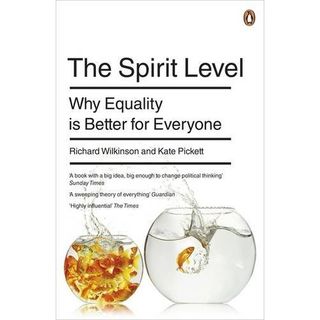
British Epidemiologists’ Richard Wilkinson and Kate Pickett’s bestselling book, ‘The Spirit Level: Why Equality is Better for Everyone’ (2009) presents a battery of evidence to show that the countries with the biggest gap (inequality) between the rich and the poor also have the highest level of health and social problems. They argue that inequality has dire consequences on our health and well-being. Economic growth no longer seems to be an indicator of a better quality of life. The authors emphasize the vital importance of social relationships to human health and well-being and show that higher levels of income inequality damage the social fabric that contributes so much to healthy societies. Their key argument is that we do better when we are equal and therefore we should work towards reducing inequality and subsequently improving the psychosocial wellbeing of the whole society.


The-Spirit-Level


On behalf of The Essayist, Genevie Fernandes met with Richard Wilkinson to discuss the nature and significance of inequality and understand the ways in which we can create a movement towards equal societies. This is Part 1 of 2-part interview.


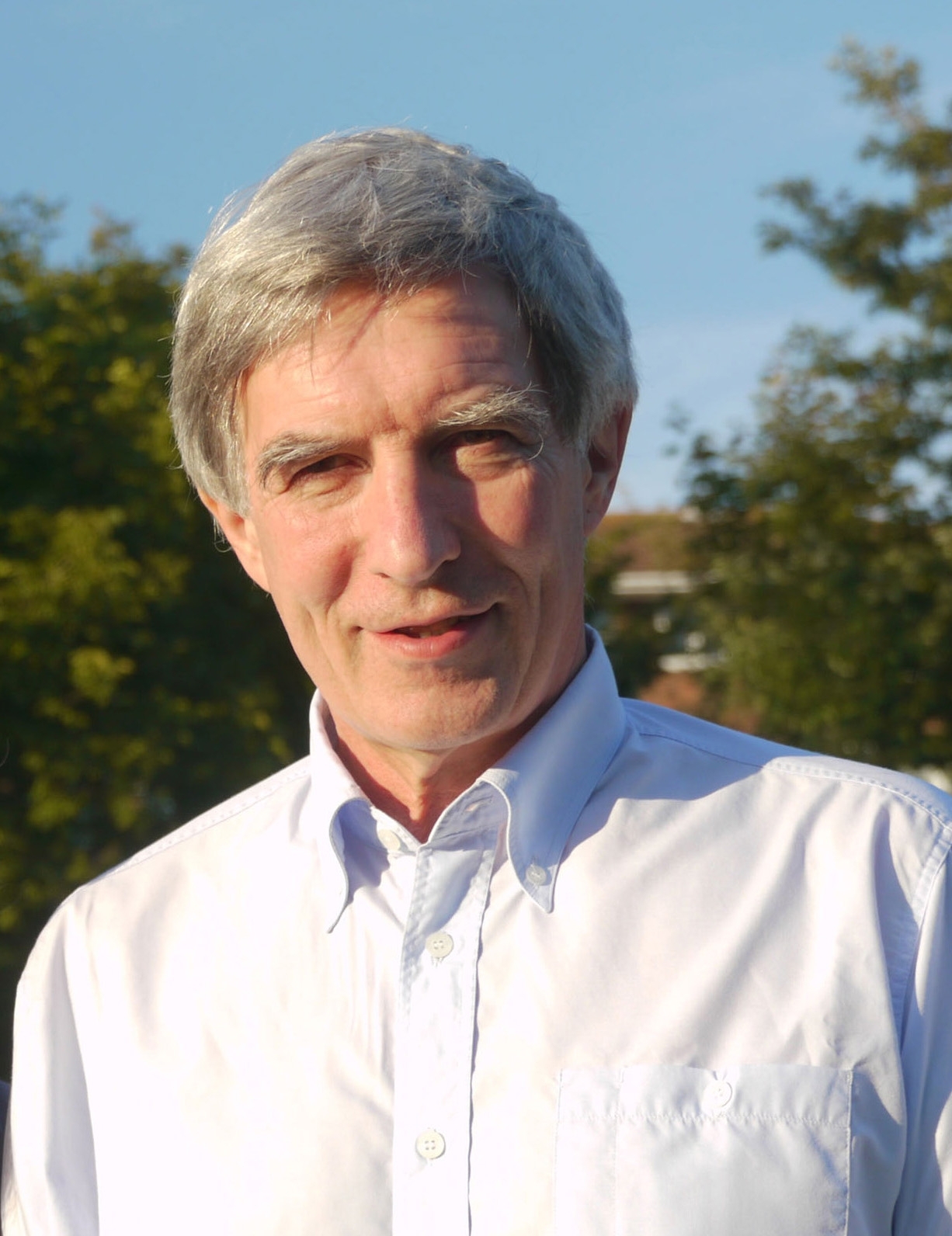
richardcolourhighresRichard Wilkinson has played a formative role in international research on the social determinants of health and on the societal effects of income inequality. He is Professor Emeritus of Social Epidemiology at the University of Nottingham Medical School, Honorary Professor at UCL and a Visiting Professor at the University of York. He studied economic history at the London School of Economics (LSE) before training in epidemiology. Richard Wilkinson is also a co-founder of The Equality Trust, a not for profit organization that provides resources and works with numerous affiliated local groups in the UK and across the world, carrying out awareness-raising and campaigning work to reduce economic inequality.



The Essayist: TE; Richard Wilkinson: RW


TE: What is Social Inequality? How would you explain this concept to someone completely unfamiliar with research in this area?


RW: People are most familiar with social inequality in terms of class or caste differences but I think that they are based on material differences, which are essentially differences in income and wealth. Social distances between people increase with bigger material differences between people, accompanied by the feelings of superiority and inferiority. There is the idea that people are born clever or born with certain traits and this helps them to climb get further up the social ladder, and this help us easily explains the social hierarchy and wide differences between people. But I think it is the other way round, I think that differences in ability are a reflection of where you were born and brought up in the class structure. All the cultural markers of class and social status are built on a material foundation or the framework for class and status, at least in the developed world, is the material difference between families and between groups. So when talking about material inequalities, I don’t think I’m talking about something different from class and social status.


If you read the sociologist Bourdieu’s work, it is quite clear the extent to which people use money to express status. The ability to send your children in private schools, to eat in expensive restaurants, to live in the smart part of town, to afford all the things from clothes to food; all of these markers of status are fundamentally built on material possession.


People often think that class is quite different from income differences. Take the case of Russia, where fall of communism has given rise to a new class structure. Huge income differences have opened up as is evident in the rise of the oligarchs. By the time the children of the new Russian oligarchs have been brought up in wonderful houses and been sent to special schools, and have travelled the world, they will have regarded themselves as superior beings, and other children will regard them as superior as well. These children would have developed the cultural features of an upper class.


Or take a different example like Britain in the nineteenth century, where people thought that class was about the blue blood, inheritance and family connections. If you gambled your money away, you could be what we call the ‘genteel poor’ for perhaps a generation, but after that your children would just be poor. But if you made your money in your lifetime, you would not be fully accepted, and would be regarded as ‘nouveau riche’. But again after a generation you would have gained all the cultural markers of an upper class and status and be accepted.


Over time material differences become overlaid by differences in education, clothes, sense of self, and all the other markers of class identity. Material differences become the key driver of social distinction, leading to social inequality.


TE: What does inequality mean in the UK, in the US and in developed countries?


RW:  Inequality essentially refers to the material differences that give rise to the status differences, the feelings of superiority and inferiority, and raises the social evaluative threat. As we become more aware, in public health, of the importance of psychosocial influences on health, working through the biology of chronic stress, the next big step was coming to realise that social relationships, at least at the population level, are the most important source of chronic stress. Losing one’s house or one’s job may be a worse threat in terms of causing acute high levels of stress, but it is not so common. We all worry about how we are seen and judged, and we worry about it every day, and often many times a day, and in many different situations, that is why inequality is so powerful.


If you want to understand the behaviour of any animal, probably the first question you should ask is, does it have a rank or a dominance hierarchy. If it does, it will tell you that the strong eat first, the dominant males try and monopolise access to the females. It tells you about the nature of relationships in the social hierarchy, that basically there are bullying relationships. It is interesting that although we don’t have internationally comparable measures of bullying amongst adults, we do for children, and you can see there are several studies now showing quite a good relationship between bullying and inequality. In more unequal societies, kids bully each other more.


Eric Uslaner has shown in his work that changes in inequality precede the changes in cohesion and trust. Robert Putman talks about how they moved together in the United States over the twentieth century, as income inequality widened measures of trust and social cohesion weakened. Though earlier on in the period where the income differences narrowed, measures of social cohesion strengthened. Putnam is very clear about that, he is less clear about which one causes which.


And you see why inequality damages social life, it is because, basically the old intuition that people have always had that inequality is divisive and socially corrosive, and that is true. Because of the social evaluative threat, which are our worries about how others see and judge us, we often find that social relationships become a bit of an ordeal (because we are constantly being evaluated by others or we are constantly evaluating others).  You can only really relax when you’re alone at home. Off course we want the social contacts, but you have to put on a good appearance, and think about how you’d come across and how you’d look.


If you look at the determinants of health or wellbeing in the rich world, what is striking is how important social relationships are in determining our health: the importance of friendship, numbers of friends, or involvement in community life. The conditions for happiness seem to be about the quality of our relationships, the number of friends we have, whether we are involved in voluntary work and such. And you know, in rich countries we don’t know our neighbours; community life is weakened with inequality. So how we can now improve the real quality of our lives is to improve the quality of the social environment, and that really is what the studies on inequality are all about. Inequality is a means of weakening the quality of community life, where people trust each other less, and there is more mental illness, more violence and more social and health problems. Addressing inequality can change that – make us healthier.


TE: What does inequality mean in the developing countries or emerging economies?


RW:  Does inequality behave in the same way in developing countries or middle income countries? I suspect it does. Certainly there are many research papers, which look at not just 20 to25 countries as my colleagues and I did in our work, but some papers look at over 100 countries including low income countries, and while you cannot compare so many outcomes, you can compare death rates and homicide rates, and the results are the same. Inequality is corrosive. Inequality has a detrimental effect on people’s health and social relationships across countries – rich or poor.


TE: One easily understands poverty and how poverty affects people at the bottom of society. They have fewer resources, more deprivation, less food, shelter and so on. However, when it comes to the topic of inequality, a common question is: How does inequality affect us all – including people who may not be directly from low income or deprived communities? Why should they care about inequalities affecting someone at the bottom of the society?


RW: In a society where some people are so important and other people seem to be worth nothing, we are all more worried about how we are seen and judged.  In our book ‘The Spirit Level’, we talk about the ‘social evaluative threat’ such as threats to self-esteem or social status, and how it is a fairly fundamental part of causation of rising anxiety and the shame of inferiority that people experience. But a problem I used to have is that when you look at the work on relative deprivation, and when people are asked about whom they compare themselves with, the answer is nearly always with people like themselves, and that seemed to be a problem for me thinking of the overall differences. And I didn’t have a solution to that until I read Sapolsky.


Robert Sapolsky, a neuroanatomist at Stanford University, has been studying baboons in the wild, in the Serengeti, for the last 30 years. He darts them and while they are unconscious, takes a blood sample and relates things like cortisol to position in the social hierarchy. His work was very important in our understanding of the importance of social status, more generally. We also learned from people working on the psychosocial effects of social status itself, such as Clyde Hertzman in Canada or Michael Marmot here in the UK.


Sapolsky writes very popular books and one of them is called ‘A Primate’s Memoir’ and in that he says, of course baboon number 7 never fights baboon numbers 1,2 and 3, because he knows that they are superior and he would lose. He never fights baboon numbers 20, 24 and 25, as they know he is superior and they would lose against him. Baboon number 7 conflicts with baboon numbers 6 and 8, because that is where his status matters more. What I have to watch is when my equals start thinking that they are better than me, and I say, ‘Who the hell do you think you are?’ It is these close comparisons that matter, and what it means is that inequality gets into quite personal things. We all become more touchy about social position and status. It is hard for us to imagine living in a society without any sort of social evaluation, where there are no class or status differences.


As a result of the social status competition, you are either overcome by social anxiety and you withdraw from social life, or you try and do a sort of ‘self enhancement’ or ‘self advertisement’, which is a kind of narcissism. You can either go under feeling overcome with social anxiety, worries about how you are seen and judged, lack of confidence, low self-esteem, depression, or you can respond the other way. You can say, ‘Well, actually I am rather very good. I went to one of the best universities, I was one of the youngest people promoted, and……last year we had our holidays in the Bahamas’. There are ways of showing you’re a significant person and that you are doing rather well, and you are rather successful.


An international team measured this concept of ‘self-enhancement’ or ‘self-aggrandisement’, by getting people in different countries to say how they compared themselves to the average. If they thought they were clever than most people in their country, more generous, or more attractive? In more unequal societies, people rated themselves as higher than the other people in their country. And you know there is an old joke that 80% to 90% of the survey respondents said that they are better drivers than the average. There is really an impressive relationship between how people rate themselves and levels of inequality existing in their society. We found some data on narcissism in the Unites States at the time, which showed that people become more narcissistic as inequality rises. One of the costs of greater inequality is that people cease to be modest about their achievements and abilities. While this argument was more of an intuitive estimate based on rather little data, now the evidence is there and we can actually see that.


The reason why violence is more common in unequal societies is not that the poor start attacking the rich; it is because people become very sensitive to being disrespected, and looked down upon. Shame and humiliation become more sensitive issues in more hierarchical societies and status becomes more important. As status competition increases, more people are deprived of access to markers of status and social success. So I take an offence at any little sign that you’re not treating me with respect.


You can see the same process in how inequality drives consumerism. Because consumerism is about expressing social status and so people in unequal societies work longer hours, save less, get into debt more, and that’s because expressing status is more important, and because they live in a social environment where people judge each other more by status.


There is now research showing more status anxiety in more unequal societies, right across the social hierarchies, not only at the bottom, but all the way across. If you read economists like Robert Frank at Cornell University, in his works ‘Luxury Fever’ or ‘Falling Behind’, he shows how these worries about status sore right to the top. I remember reading a journalist who interviewed bankers, who would get these huge bonuses, and he asked a banker, ‘you surely can’t spend all this money?’ And the banker said, ‘No, but they show me that I’m better than the next man.’


There is a really important situation that the rich countries are in today. Although economic growth transformed the quality of lives of people in the economically advanced countries, it isn’t sufficient anymore to get healthier or happier.


Simply put, it means that if you put life expectancy against GNP per capita, you get rapid rises in life expectancy in the early stages of economic growth and then it levels out. No more is there a direct relationship between economic growth and life expectancy in the developed world. The same is true of happiness or other measures of wellbeing. And what this means is now economic growth in the rich world is largely driven by status competition and consumerism, which is a zero sum game, because although I can improve my status over you, we can’t improve our status over each other.


So to understand the impact of inequality across the society, we have to seriously think about our sensitivity to issues around social status. How this notion of social status affects our health, well-being, our identity. If we continue to live in this kind of a society where there is constant social evaluation, then inequality driven status competition becomes part of our social, physical environment. This constant inequality driven status competition becomes a toxic factor in our environment.  And as we all know this has harmful effects for all of us. This does not mean that we have to always live in this kind of a society. We can change it.


TE: How does caste, race, or ethnicity interact with inequalities?


RW: Material differences get solidified into caste or racial explanations for differences. The relationship between social mobility and inequality is important. In more unequal societies there is lower social mobility. We first published this when there was rather little comparable data on social mobility in different countries and more evidence has become available. More recently Alan Kruger, the Chair of President Obama’s Economic Advisory Committee, has produced exactly the same relationships as ours using quite independent data. So there are now several datasets showing that where there is bigger income differences there is less social mobility and I can imagine that would lead over time to the whole thing becoming completely ossified more like a caste system. Research shows that health of ethnic minority groups who live in areas with more people like themselves is sometimes better than that of their more affluent counterparts who live in areas with the more dominant ethnic group.


But of course, the rich have always seen themselves as biologically superior beings and that’s part of caste isn’t it. And I think a lot of poor people think of themselves, they actually believe that the reason they are poor is because they are less intelligent or less capable than those who are well-off. There are a lot of poor people who think that they haven’t got what it takes. I remember a neighbour of mine when I used to live in Brighton, who was an unskilled building worker. He used to discuss all sorts of things but he would preface slight shyness and he would say, ‘you know Richard, I’ve only got one brain cell but I was wondering if’.…he was worried that what he wanted to talk about might sound stupid and he regarded himself as being an unskilled worker because he hadn’t been any good at school. I wasn’t any good at school either but I had opportunities later in life and he didn’t realise that I had twice as many years of education than he had.


It seems like our society has this unshakeable belief that differences in ability explain our positions in social hierarchy whereas the more important relationship is the other way around, going from our original position in the hierarchy to our differences in ability.  Those who are in a higher position in the hierarchy get more resources and opportunities, and have better social networks, and obviously do better.


TE: Has social inequality always been there? How has it developed historically?


RW: No, the evidence is increasingly strong that most hunting and gathering societies were not hierarchical, and the expert on this, is ‘Christopher Boehm’ from the University of South Carolina. He has compiled an electronically searchable database, putting together all the records of hunting and gathering societies, from early explorers, missionaries, colonial administrators, anthropologists, and I think, has evidence on 200 hunting and gathering societies. And it’s not that we have had a change in human nature, it’s that in those societies there was what he calls ‘counter dominance strategies’. So if someone starts to be bossy, selfish and so on, first the others tease that bossy person and if that person still goes on, then the others ostracise him or her. There are quite a number of records, of people from these societies who were particularly difficult, being killed not in a fit of temper, but if a man is endlessly selfish and domineering and so on, and does not take heed to any of the sort of warnings, then someone in his family would be delegated to kill him. And apparently death rates from that source put the rate of homicide as high as that in modern-day Chicago.


Equality comes in with big game hunting. There are two reasons for this: one is that individual strength is no longer enough to be dominant. Because as soon we have the weapons to kill large animals and the knowledge and intelligence and so on, it means that a stronger individual can no longer rule the roost. Secondly, big game hunting meant that when someone did kill an animal suddenly there was more food than that one person could actually eat, and so food sharing became common. Typically, the food hunter would not divide up the catch himself, it would be divided up by some others in the community, because often there was a sort of evaluation of modesty.


Inequality seems to rise with the beginning of agriculture, for reasons I am not so clear about. But it was obviously a breakdown of the counter dominance strategies, which were ways of dealing with people who are domineering. So it does not mean that people did not have a desire for dominance in hunting and gathering societies, but it’s more that these tendencies were kept in check.


If you look more recently at the income distribution in the 20th century in many of the developed countries, you find that there are inequalities in the early part of the 20th century, and then sometime in the 1930’s they start to decline. They go on declining till the 1960’s and bottoms out in the 1970’s. From 1980 onwards you get the modern rise of inequality.  The 20th century had a U shaped distribution of inequality, and the strength of the trade unions in terms of proportion of the labour force members of the trade unions, had the exactly opposite shape. Well, I don’t mean that unions necessarily do wonderful things for their members, but they were an indication of the strength of what I call the countervailing voices in society. These voices talk about issues of social justice.


But now, in many countries, we are back to where we were in the 1920’s; back to that level of inequality. This transition towards an increase in inequality has to be seen as the strengthening and the subsequent weakening of the labour movement coupled with the fear of communism. In the 1960’s we thought that the Eastern European countries and Russia had a planned economy that was probably more efficient and they seemed to be growing faster than western countries, but all of that disappeared from the late 1970’s. And so politicians like Margaret Thatcher in the UK and Ronald Reagan in USA could come along and very easily say that: There is no alternative. So I think we have to recreate a movement, not simply the same socialist movement, but a movement towards sustainability, and a higher real quality of  life which means, not only greater equality that improves the quality of social relations, but also reduces consumerism which is the biggest threat to reduce carbon emissions and save the environment.

to be continued…


****************


We thank Prof Richard Wilkinson for giving his time so freely.


equality trust


If you want to take action to help address inequality then please visit The Equality Trust website at www.equalitytrust.org.uk


Watch Richard Wilkinson talk about how economic inequality harms societies in a TED Global Conference filmed in 2011.


If after reading this article you would like to learn more about social inequality and its impact on health and human development, click here for a further reading list.


 References:

Inequality Statistics: Accessed from  Ricardo Fuentes-Nieva and Nick Galasso (2014). WORKING FOR THE FEW: Political capture and economic inequality. Oxford: Oxfam.

Cover Image of Prof. Richard Wilkinson: Accessed from http://www.yesmagazine.org/happiness/want-the-good-life-your-neighbors-need-it-too

The Spirit Level Book Image: Accessed from http://www.theguardian.com/books/2010/feb/28/spirit-level-richard-wilkinson-kate-pickett

Image of Prof. Richard Wilkinson: Accessed from The Equality Trust Website at: http://www.equalitytrust.org.uk/node/201


Open Access Article

© Genevie Fernandes (2014). The Age of Inequality: Interview with Richard Wilkinson. The Essayist, July 2014.  http://www.the-essayist.org/2014/07/age-inequality-interview-richard-wilkinson/


This is an open-access article distributed under the terms of the Creative Commons Attribution License, which permits unrestricted use, distribution, and reproduction in any medium, provided the original author and source are properly cited. To view a copy of this license, visit  http://creativecommons.org/licenses/by/3.0/


However, The Essayist is a strong advocate of the “no-plagiarism” policy.


© 2026 THE ESSAYIST

Theme by Anders Noren — Up ↑